
The 2026-27 FAFSA Is Open (Since Sept 2025): How to Avoid Errors and Maximize Your Aid
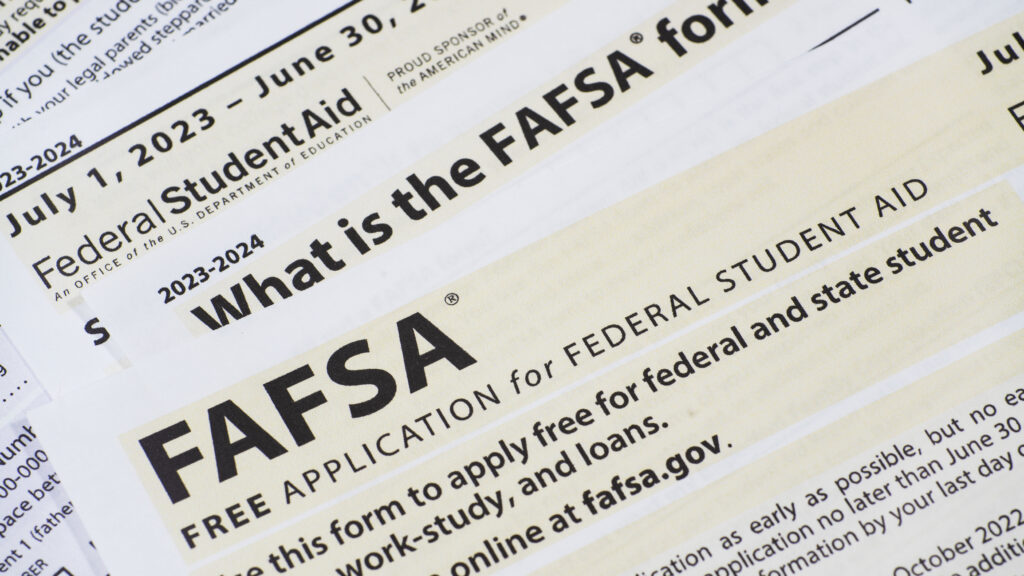
It’s official, the 2026-27 FAFSA form is now live. On September 24, 2025, the U.S. Department of Education announced that the Free Application for Federal Student Aid for the 2026-27 award year opened ahead of its usual October 1 start. This earlier launch is a major opportunity for families. It means you can get in front of state or school priority deadlines, submit early, and reduce the stress of last-minute filing. But to make the most of it and maximize your aid, you need to be prepared, and avoid the common errors that derail families every year.
✅ Document Checklist & Early Filing
- To get ahead, gather the following as soon as possible:
- Student and parent Social Security numbers (or Alien Registration numbers, if applicable)
- Student and parent FSA IDs (create early at studentaid.gov)
- Federal income tax returns (for the 2024 tax year) + W-2s and any other records of earnings
- Bank statements, investment records, untaxed income documentation
- Records of any current college (if transferring) or of the student’s prior enrollment
- List of up to ten schools you’re considering, with their institute codes
- Your own spreadsheet or print-out tracking state and school priority deadlines
- Because some state agencies and colleges award funds on a first-come, first-served basis, filing early is more than smart, it can significantly impact the total aid package you receive.
⚠️ Common Mistakes to Avoid
- Waiting until the last minute: Although the federal deadline for 2026-27 is June 30, 2027, many states and institutions set much earlier priority cutoff dates. For example, one school lists a priority FAFSA deadline of February 1, 2026.
- Missing contributor invitations: Dependent students must invite required parent(s) or guardian(s) to contribute. The 2026-27 form streamlines that process, but you still need to hit “invite” and follow through.
- Incomplete or mismatched tax/FSA ID info: When names, Social Security numbers or tax data don’t match, processing gets delayed. Real-time SSN matching is now available for many applicants.
- Not updating school or state lists: If you forget to list a college or state agency on your FAFSA before submission, you may miss out on those schools’ institutional or state aid.
- Ignoring state-specific rules: Some states require additional forms or have different cutoff dates for state grants. Filing the FAFSA early doesn’t guarantee you’re done, check your state’s aid site.
Maximize Your Aid Strategy
- Submit ASAP — You’ve got the form open now: don’t wait. Early submission improves your odds for institutional aid or state-funded grants.
- List every school you’re seriously considering — Even if you haven’t made a final commitment, list the colleges so they receive your data and can build your aid package earlier.
- Monitor your Student Aid Report (SAR) — After submission you’ll get a SAR/ISIR. Review it carefully and correct any errors right away.
- Follow up with each college’s financial aid office — Ask about deadlines for merit aid, special institutional grants, and how they view early FAFSA submission.
- Keep your records and update when needed — If you or your parent’s financial situation changes (job loss, medical issues, etc.), you may qualify for an appeal or professional judgment adjustment.
Final Reminder: Know Your Deadlines
- While the federal FAFSA deadline for the 2026-27 cycle is June 30, 2027, many colleges and states treat early filing as priority. For example, one institution set its priority FAFSA deadline at February 1, 2026.
Missing those earlier deadlines can reduce your pool of grant or scholarship money, even if you still technically meet the federal deadline.
At Community Educational Funding, our mission is to help you navigate these timelines with clarity and purpose, so you don’t just apply for college, you plan for success, affordability, and service. Let’s get it done right, early, and maximize the aid you deserve.